Introduction
Many businesses invest heavily in digital marketing channels such as Google Ads, social media advertising, search engine optimization, and content marketing to attract customers and generate revenue. However, despite spending significant budgets, many companies struggle to understand which marketing efforts are actually driving results. The main reason is often poor conversion tracking. When businesses fail to track the complete customer journey, they rely on incomplete data and make decisions based on assumptions rather than facts. This can lead to wasted advertising spend, missed opportunities, and inaccurate performance reporting. Understanding conversion tracking and avoiding common mistakes is essential for achieving long-term marketing success.
Why Conversion Tracking Is Essential for
Modern Marketing
Conversion tracking helps businesses measure the actions users take after interacting with their marketing campaigns. These actions may include purchases, lead form submissions, phone calls, newsletter sign-ups, or appointment bookings. Without proper conversion tracking, marketers cannot accurately determine which campaigns are generating results and which ones need improvement. As customer journeys become more complex and involve multiple touchpoints, tracking conversions has become more important than ever. Businesses that implement effective tracking systems gain deeper insights into customer behavior and can make smarter marketing decisions based on real data. By understanding which channels, campaigns, and interactions contribute to conversions, businesses can optimize their marketing strategies, improve return on investment, and achieve stronger business growth.
The Biggest Conversion Tracking Mistake Businesses Make
One of the most common conversion tracking mistakes businesses make is relying entirely on the final interaction before a conversion occurs. Many marketers look only at the last click and assume that it deserves all the credit for the conversion. While the final interaction is important, it rarely tells the complete story. Customers often engage with multiple marketing channels and pieces of content before making a decision. Ignoring these earlier customer interactions creates an incomplete picture of marketing performance. As a result, businesses may underestimate the value of campaigns that play a significant role in influencing customer decisions throughout the buying journey.
Understanding How Customers Actually Convert
Modern consumers rarely make purchasing decisions immediately after seeing a single advertisement. Instead, they go through a process that involves discovering a brand, researching options, comparing alternatives, and returning multiple times before converting. A customer may first find a business through a Google search, later engage with a social media post, read a blog article, and finally return through a remarketing advertisement before completing a purchase. Each of these customer interactions contributes to the final decision. Understanding this customer journey is critical because every touchpoint influences customer behavior and plays a role in driving conversions.
Why Last-Click Attribution Creates Misleading Insights
Last-click attribution assigns all conversion credit to the final interaction before a conversion occurs. While this attribution model is simple and easy to understand, it often overlooks the impact of earlier marketing activities. Awareness campaigns, educational content, social media engagement, and organic search efforts may receive no credit even though they helped move the customer toward conversion. This can cause businesses to make poor optimization decisions by reducing investment in channels that are actually contributing to success. Relying solely on last-click attribution can create a distorted view of overall marketing performance, making it difficult to accurately evaluate the true impact of different marketing channels.
The Hidden Value of Awareness and Consideration Channels
Many businesses focus only on campaigns that generate immediate conversions, but awareness and consideration-stage activities are equally important. Content marketing, search engine optimization, video marketing, and social media campaigns help introduce potential customers to a brand and build trust over time. These marketing channels often influence customer decisions long before a conversion takes place. Although their contribution may not always be visible in standard reports, they play a crucial role in guiding prospects through the sales funnel. Businesses that recognize the value of these touchpoints are more likely to achieve sustainable growth, stronger brand recognition, and improved long-term marketing performance.
How Attribution Models Provide Better Marketing Insights
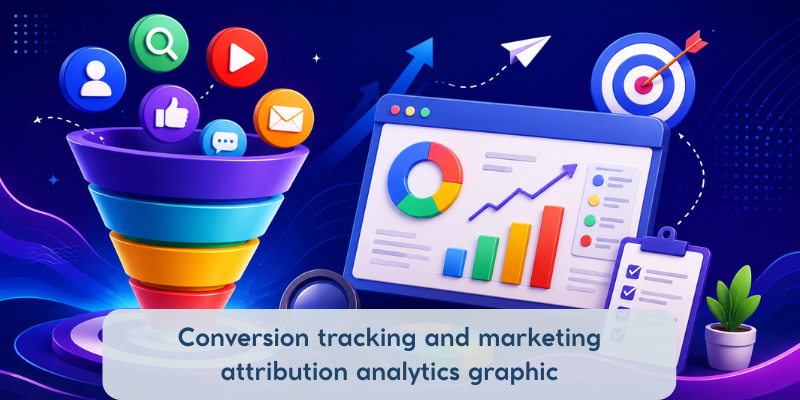
Attribution models are designed to distribute conversion credit across different touchpoints rather than assigning all value to a single interaction. Different attribution models provide different perspectives on how customers convert. Some models emphasize the first interaction, while others spread credit evenly across the entire customer journey. More advanced models use machine learning to analyze user behavior and determine which touchpoints contribute the most. By comparing multiple attribution models, businesses can gain a more comprehensive understanding of campaign performance and identify opportunities for optimization that may otherwise remain hidden. This approach helps marketers make better data-driven decisions and improve overall marketing effectiveness.
The Rise of Data-Driven Attribution
As digital marketing becomes increasingly sophisticated, many businesses are moving toward Data-Driven Attribution. Unlike traditional attribution models, Data-Driven Attribution uses artificial intelligence and machine learning to analyze actual customer behavior. It evaluates thousands of conversion paths and determines the contribution of each touchpoint based on real-world data. This approach provides more accurate marketing insights and helps marketers understand which campaigns are truly influencing conversions. Businesses that adopt Data-Driven Attribution often improve budget allocation, enhance campaign performance, and achieve better returns on advertising investments.
Signs That Your Conversion Tracking Needs Improvement
Many organizations are unaware that their tracking setup contains gaps or inaccuracies. Warning signs often include inconsistent conversion numbers across platforms, unexplained fluctuations in performance reports, difficulty identifying top-performing campaigns, and confusion about where leads are coming from. If marketing reports fail to provide clear answers about customer behavior, it may indicate that tracking systems need to be reviewed and improved. Conducting regular audits and testing conversion events can help ensure data accuracy and improve decision-making. Businesses that maintain reliable tracking processes gain better visibility into campaign performance and make more informed marketing decisions.
Conclusion
The biggest conversion tracking mistake businesses make is assuming that the final click tells the entire story behind a conversion. In reality, customers interact with multiple marketing channels, advertisements, and pieces of content before making a decision. Focusing only on the last interaction can lead to inaccurate insights and poor marketing decisions. By understanding the full customer journey and using advanced attribution models, businesses can gain a clearer picture of what drives results. Accurate conversion tracking is no longer just a reporting tool—it is a competitive advantage that helps marketers optimize campaigns, improve ROI, and achieve long-term business growth.
Looking for the Best Digital Marketing Classes in Chennai?

1.What are Conversion Tracking Mistakes?
Conversion Tracking Mistakes occur when businesses incorrectly measure or track customer actions such as purchases, form submissions, or leads. These errors can lead to inaccurate reporting and poor marketing decisions. Proper conversion tracking helps businesses understand which campaigns generate the best results.
2. Why is Conversion Tracking Important for Digital Marketing?
Conversion tracking helps marketers measure the effectiveness of their campaigns and identify what drives conversions. Without accurate tracking, businesses may waste marketing budget on underperforming channels. It provides valuable insights that improve campaign optimization and ROI.
3. What is the Most Common Conversion Tracking Mistake?
One of the most common conversion tracking mistakes is relying only on last-click attribution. This approach gives all conversion credit to the final interaction while ignoring earlier touchpoints. As a result, businesses may overlook marketing channels that significantly influence customer decisions.
4. How Does Attribution Help Improve Conversion Tracking?
Attribution helps distribute conversion credit across multiple customer interactions instead of focusing on a single touchpoint. It provides a clearer understanding of the customer journey and marketing performance. This allows businesses to make more informed budgeting and optimization decisions.
5. What is Data-Driven Attribution?
Data-Driven Attribution is an advanced attribution model that uses machine learning to analyze customer behavior. It evaluates how each touchpoint contributes to conversions based on real data. This approach provides more accurate marketing insights than traditional attribution models.
6. How Can Poor Conversion Tracking Affect Marketing ROI?
Poor conversion tracking can lead to incorrect performance analysis and inefficient budget allocation. Businesses may invest more in campaigns that appear successful while reducing spending on channels that actually drive results. This can negatively impact overall marketing ROI.
7. What Tools Can Be Used for Conversion Tracking?
Businesses commonly use Google Ads Conversion Tracking, Google Analytics, Google Tag Manager, and CRM systems to track conversions. These tools help measure customer actions and provide detailed performance insights. Proper setup is essential for accurate reporting.
8. How Often Should Businesses Review Their Conversion Tracking Setup?
Businesses should review their conversion tracking setup regularly, especially when launching new campaigns or updating their website. Periodic audits help identify tracking errors and maintain data accuracy. Consistent monitoring ensures reliable insights and better decision-making.