Introduction
Many businesses focus only on the final conversion, whether it is a purchase, a lead form submission, or a phone call. However, customers rarely make decisions immediately after discovering a brand. Before converting, they go through multiple stages of research, comparison, and evaluation. This process is known as the customer buying journey and plays a major role in marketing success. At Webwisez, students learning through Digital Marketing Classes in Chennai understand how every stage of this journey influences customer behavior and conversion outcomes.
The Modern Buying Journey Has Changed
Today’s customers have access to more information than ever before. They can compare products, read reviews, watch videos, and explore different brands before making a decision. Unlike traditional buying behavior, consumers now interact with multiple channels before converting. A customer may discover a business through Google, engage on social media, and revisit the website several times before taking action. This makes understanding the customer journey essential for businesses that want to improve marketing performance.
Customers also expect personalized experiences that match their interests and needs. They often switch between mobile devices, desktops, and apps while researching products or services. Every interaction helps shape their perception of a brand and influences their final decision. Businesses that understand these changing customer behaviors can create more effective marketing strategies and build stronger relationships with potential customers.
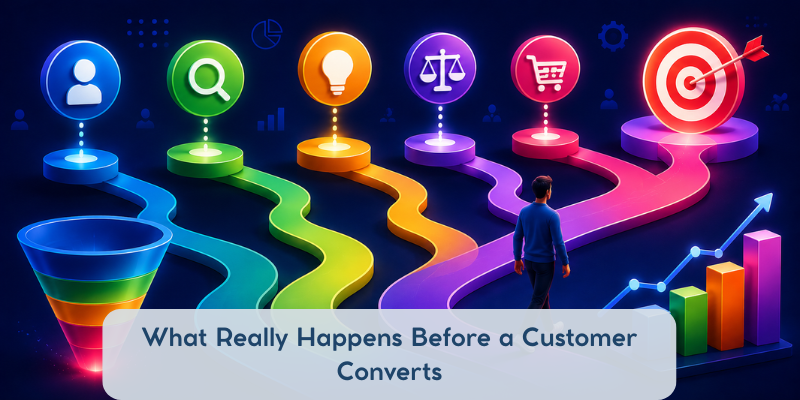
The Awareness Stage: The First Brand Interaction
The awareness stage is where the customer first discovers a problem and begins searching for solutions. They may come across a brand through search engines, social media, blogs, advertisements, or referrals. At this stage, the goal is not immediate conversion but creating visibility and building interest. Businesses that produce valuable content can attract potential customers and establish credibility. Strong awareness strategies help brands stay memorable when customers are ready to make decisions later.
The Consideration Stage: Exploring Possible Solutions
Once customers understand their needs, they begin exploring available solutions. They compare products, services, and brands to determine which option best meets their requirements. Customers often read blogs, watch tutorials, download resources, and review company websites. This stage is crucial because customers are actively gathering information before making a choice. Businesses that provide helpful and educational content can build trust and position themselves as industry experts.
The Evaluation Stage: Comparing Alternatives
During the evaluation stage, customers narrow down their options and compare alternatives. They analyze pricing, features, customer reviews, and overall brand reputation. Many consumers revisit websites multiple times and seek reassurance before making a purchase. Positive testimonials, case studies, and transparent communication help build confidence. Businesses that effectively address customer concerns have a greater chance of winning the final conversion.
The Conversion Stage: Turning Interest Into Action
The conversion stage occurs when a customer takes the desired action. This could be making a purchase, submitting a form, booking a consultation, or requesting a quote. Although conversion is the ultimate goal, it is only one step in the overall customer journey. Businesses that understand what happened before the conversion can improve future marketing strategies. Analyzing customer behavior helps identify which channels and campaigns contributed to success.
Why Multiple Touchpoints Matter
Customers rarely convert after a single interaction with a brand. Instead, they engage with several touchpoints before making a decision. A customer may first discover a company through search engines, then interact through social media, email, or paid advertising. Each touchpoint builds trust and familiarity with the brand. Understanding these interactions helps businesses allocate marketing resources more effectively and improve customer experiences.
The Role of Content Throughout the Buying Journey
Content plays an important role in every stage of the buying journey. Blog posts help create awareness, educational guides support consideration, and case studies assist evaluation. Videos, webinars, social media content, and email campaigns further nurture customer relationships. Delivering the right content at the right time helps move prospects closer to conversion. Businesses that invest in quality content often experience stronger engagement and better results.
How Attribution Helps Map the Customer Journey
Attribution helps businesses understand which marketing channels contribute to conversions. Rather than giving all credit to the final interaction, attribution models analyze the entire customer journey. This provides valuable insights into how different touchpoints influence decisions. Understanding attribution allows marketers to optimize budgets and improve campaign performance. These are practical concepts often covered in Digital Marketing Classes in Chennai to help future marketers make data-driven decisions.
Conclusion
Customer conversinos are the result of a series of interactions rather than a single event. Every stage of the buying journey, from awareness to conversion, plays an important role in influencing customer decisions. Businesses that understand these interactions can create more effective marketing strategies and improve conversion rates. Mapping the customer journey helps organizations make better decisions and maximize marketing performance. For those looking to develop expertise in customer behavior, analytics, and conversion optimization, Webwisez offers industry-focused Digital Marketing Classes in Chennai designed to provide practical and career-ready skills.
Looking for the Best Digital Marketing Classes in Chennai?
1.What is a Customer Buying Journey?
A customer buying journey is the process a customer goes through before making a purchase or taking a desired action. It includes stages such as awareness, consideration, evaluation, and conversion. Understanding this journey helps businesses improve their marketing strategies.
2. Why is the Customer Buying Journey Important?
The customer buying journey helps businesses understand how customers make decisions. By knowing what influences buyers at each stage, marketers can create more effective campaigns. This leads to better engagement and higher conversion rates.
3. What Are the Main Stages of the Customer Buying Journey?
The main stages are awareness, consideration, evaluation, and conversion. Customers first discover a problem, explore solutions, compare options, and finally make a decision. Each stage requires different marketing approaches.
4. How Many Touchpoints Does a Customer Usually Have Before Converting?
Most customers interact with multiple touchpoints before making a purchase. These may include search engines, social media, websites, emails, and advertisements. Every interaction helps build trust and influences the final decision.
5. How Does Content Influence the Buying Journey?
Data-Driven Attribution is an advanced attribution model that uses machine learning to analyze customer behavior. It evaluates how each touchpoint contributes to conversions based on real data. This approach provides more accurate marketing insights than traditional attribution models.
6. What is Customer Journey Mapping?
Customer journey mapping is the process of visualizing every interaction a customer has with a brand. It helps businesses identify customer needs, challenges, and opportunities for improvement. This leads to a better customer experience.
7. How Can Businesses Improve the Customer Buying Journey?
Businesses can improve the customer journey by providing valuable content, maintaining consistent communication, and creating seamless experiences across channels. Understanding customer behavior also helps optimize interactions. Small improvements can significantly increase conversions.
8. How Does Understanding the Buying Journey Increase Conversions?
When businesses understand the buying journey, they can deliver the right message at the right time. This improves customer trust and reduces barriers to conversion. As a result, more prospects become paying customers.